 0086-763-3368759
 info@enjosports.com
 Help


COMPANY
| Created in mind that all outdoorsmen need clear, reliable, and affordable optics of some type, NUTREK aim to offer premium optics that performs: extend your vision, reveal the hidden, sharpen your sight, and lock the target. |
| MORE |


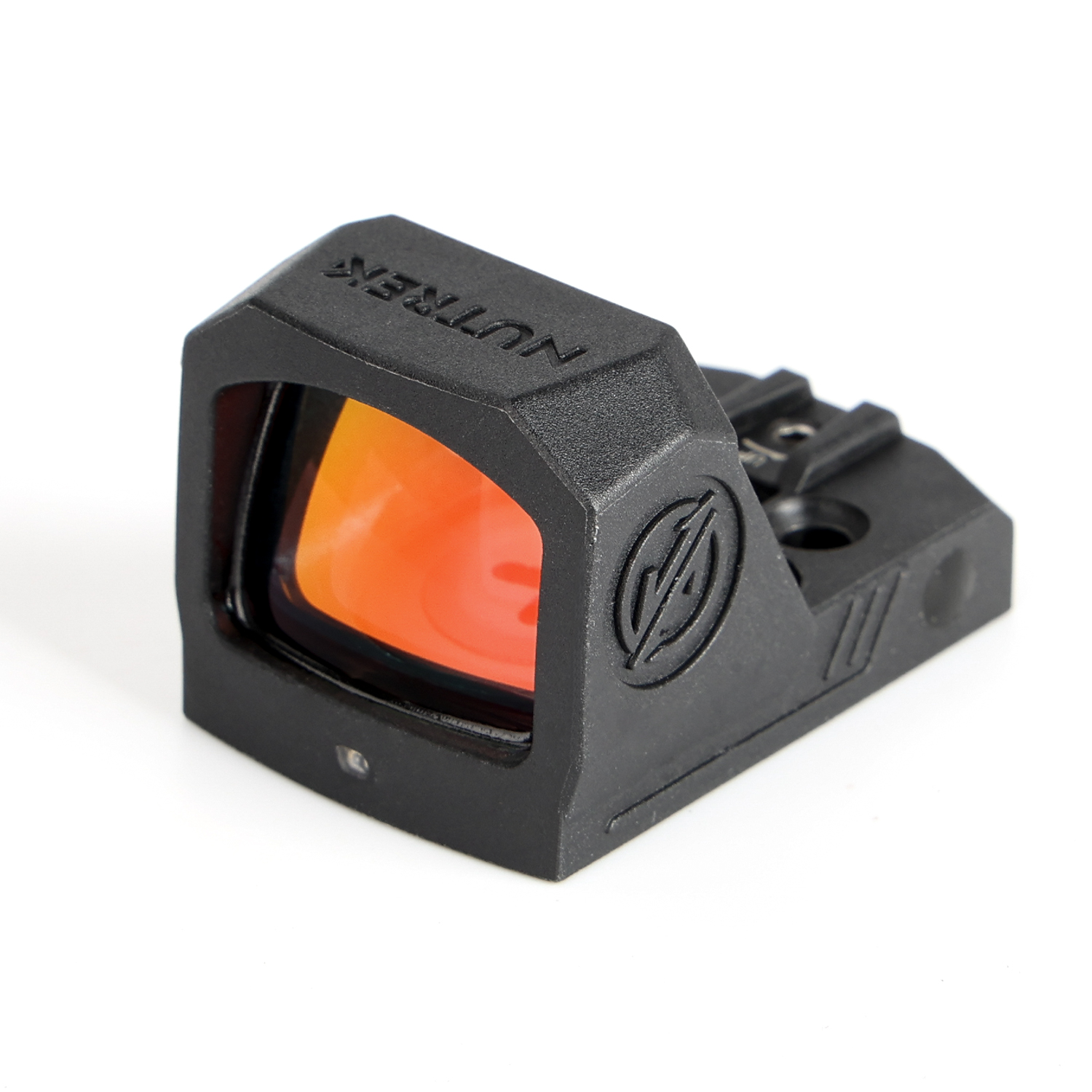
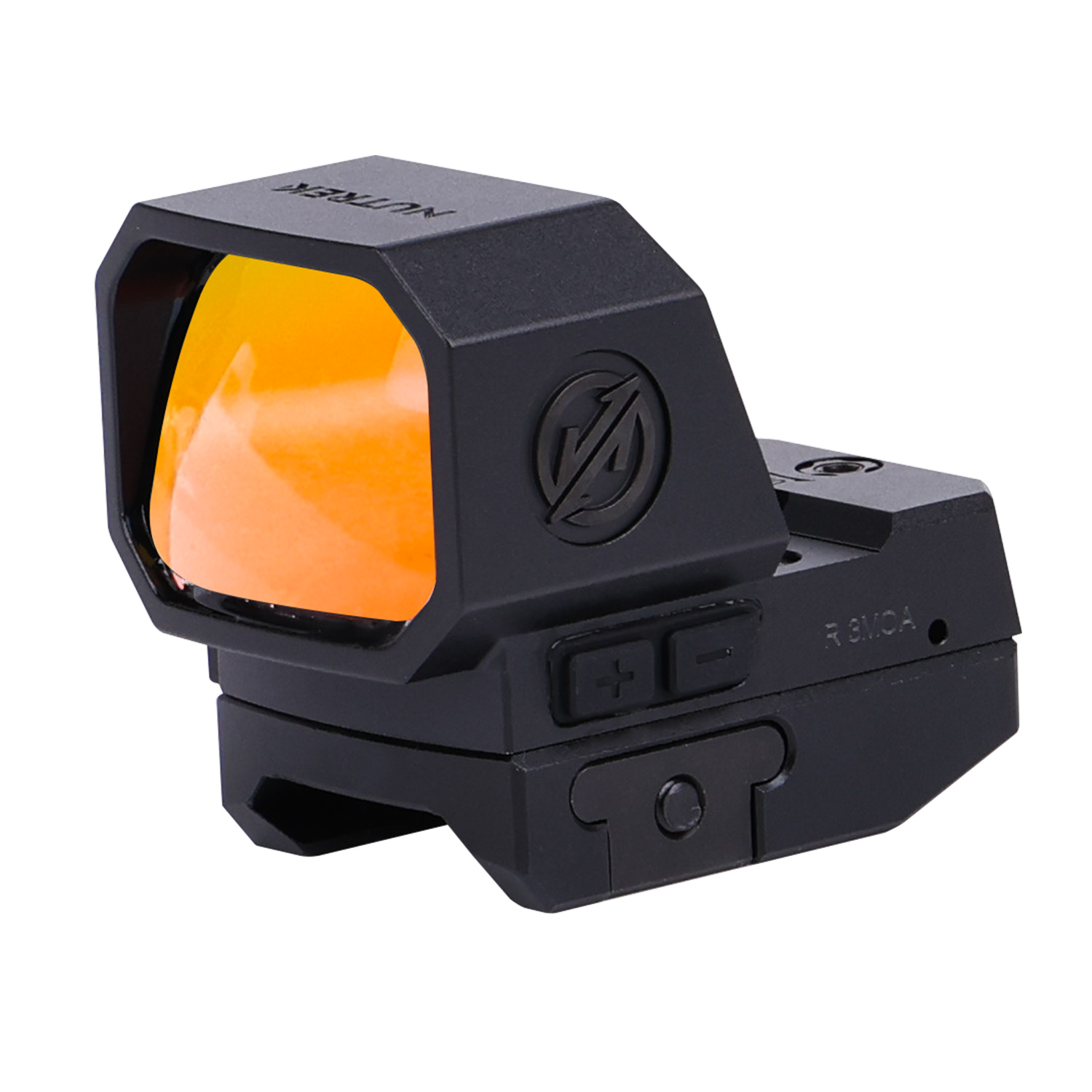
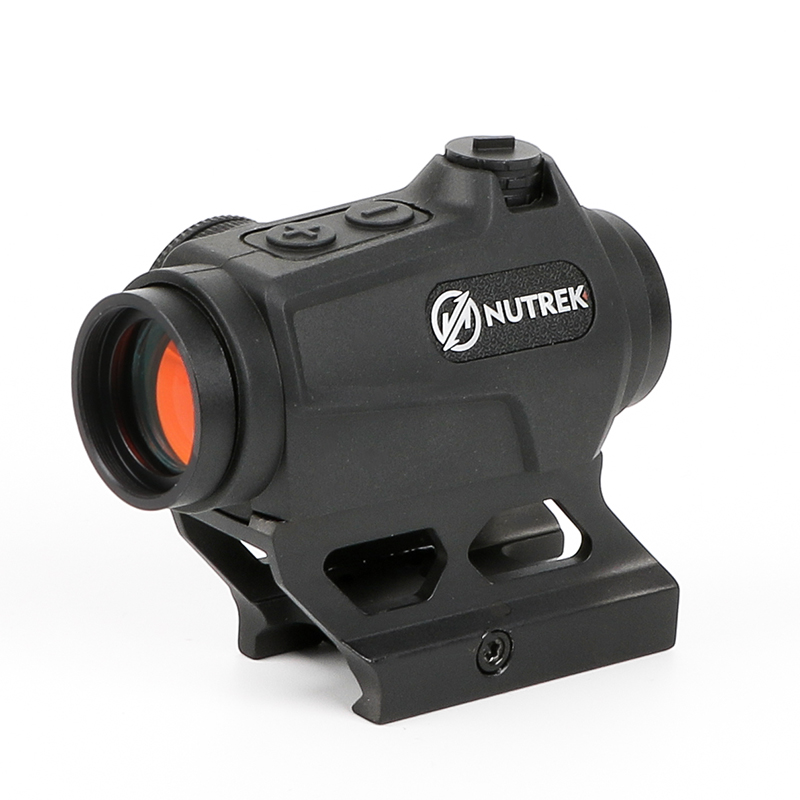
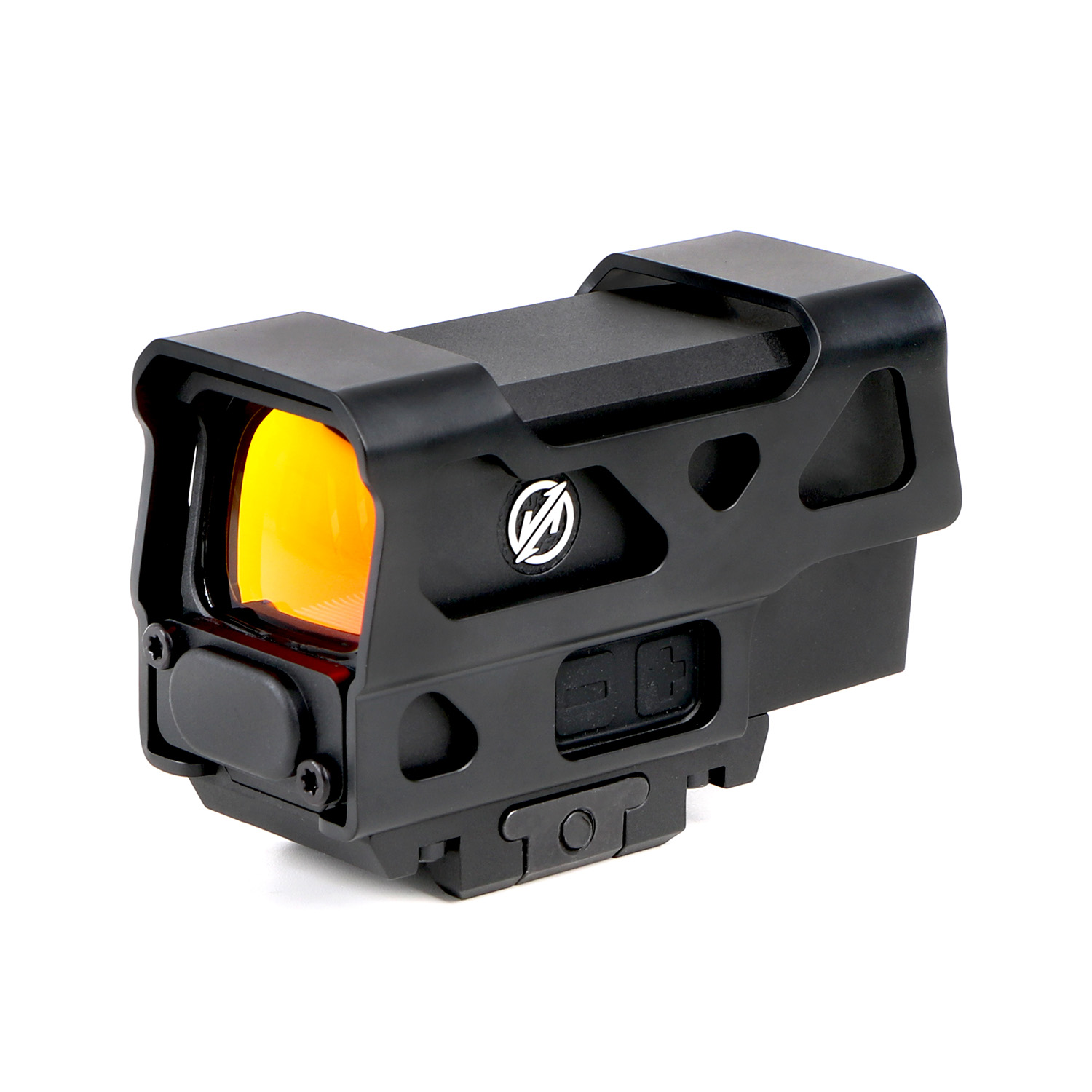
A red dot sight provides a non-magnified aiming reference that allows shooters to maintain a broad view of their surroundings while aligning the sight with a target. Its applications vary according to the firearm platform, shooting discipline, target distance, and operating environment.
Understanding these differences helps clarify where red dot sights fit within a broader optics selection. Handguns, carbines, and shotguns each have distinct use cases, and the features that matter most can change significantly from one application to another.
Handgun red dot sights are used across personal carry, recreational shooting, professional duty, competition, and certain hunting applications. Compact dimensions, mounting compatibility, window design, and dot visibility are common considerations.
For concealed carry, size and weight can influence the overall handgun setup. A compact red dot sight may help maintain a manageable profile, while a suitable mounting configuration and compatible holster remain important considerations.
Durability, consistent dot visibility, and practical battery access also matter when evaluating an optic for regular everyday carry.
At the range, red dot sights provide an alternative to traditional iron sights for routine target practice. The illuminated aiming point offers a clear visual reference, making this configuration suitable for a variety of recreational shooting activities.
Window size, dot size, and brightness adjustment can influence how comfortably a sight fits an individual's preferences and shooting conditions.
Professional duty applications place particular emphasis on equipment compatibility, durability, and consistent operation. A red dot sight intended for this role should be suitable for the firearm platform and the conditions specified by the relevant organization.
Secure mounting, accessible controls, predictable power management, and adherence to applicable service requirements are important factors in the selection process.
In handgun competition, sight acquisition, target transitions, and the ability to maintain a clear sight picture can affect performance. Some shooters prefer a larger viewing window, while others prioritize a compact sight profile or a particular dot configuration.
The appropriate setup depends on the competition discipline, firearm configuration, and applicable equipment rules.
Red dot sights can also be used for certain handgun hunting applications where permitted. Their non-magnified sight picture may suit situations in which the target is visible without optical magnification.
Hunting conditions, target distance, local regulations, and the capabilities of the firearm all influence whether a red dot sight is appropriate.

Carbines accommodate a broad range of recreational, professional, competitive, precision-oriented, and hunting applications. Their accessory mounting systems also allow different sight configurations, making firearm compatibility and intended use particularly important.
For recreational range use, a red dot sight offers a straightforward aiming reference for target practice. Its non-magnified design maintains a broad field of view, which can be useful when moving between targets or shooting at different target positions.
The choice of dot size, brightness settings, and mounting height should reflect the firearm configuration and the shooter's preferences.
Carbine applications in professional service environments call for optics that match the relevant equipment requirements and operating conditions. Durability, mounting security, visibility in changing light, and dependable power management are important evaluation criteria.
Compatibility with the firearm and any other components in the sighting system should be confirmed before selection.
Although red dot sights are not magnified optics, they can support accurate aiming when the target is clearly visible at the intended distance. Their suitability depends on target size, lighting, dot size, and the shooter's ability to maintain a clear sight picture.
For smaller targets, greater distances, or applications requiring more target detail, a riflescope may be more appropriate. The distinction is not simply about accuracy, but about how much visual information the shooting task requires.
In carbine competition, red dot sights are used in disciplines where rapid sight acquisition and transitions between targets are important. A clear viewing window and a dot that remains visible under changing lighting conditions can support consistent use across different stages.
Competition rules and the demands of the specific discipline should guide the choice of sight and mounting configuration.
For certain hunting situations, a red dot sight provides a non-magnified aiming reference without the added bulk of a magnified optic. Its suitability depends on the type of game, terrain, expected engagement distance, and local hunting regulations.
Where target identification and fine detail at greater distances are priorities, a riflescope may offer a more suitable solution.
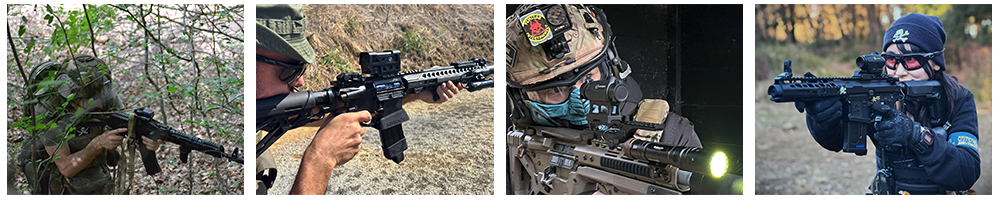
Shotgun applications differ from handgun and carbine use because the intended target, ammunition type, and shooting discipline can vary considerably. Red dot sights are used in some hunting and competitive setups, but not every shotgun application requires an optic.
In suitable shotgun hunting applications, a red dot sight can provide a visible aiming reference without magnification. Whether it is appropriate depends on the specific hunting method, firearm setup, target conditions, and regulations.
The optic must also be compatible with the shotgun's mounting system and recoil characteristics. Checking the manufacturer's stated compatibility is important when evaluating a sight for this platform.
Some shotgun competition setups use red dot sights where permitted by the discipline's rules. In these applications, sight visibility, mounting stability, and the ability to maintain a clear view of the target are relevant selection factors.
The requirements of a particular event can differ, so equipment rules and the intended shotgun configuration should be reviewed before choosing an optic.
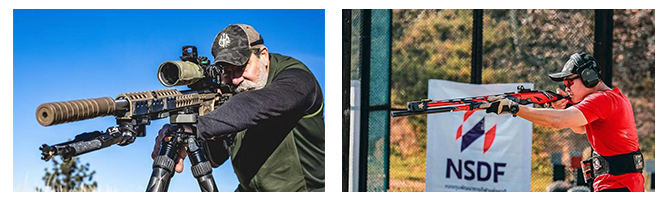
Once the firearm platform and primary application have been identified, several practical factors can help narrow the options.
Mounting Compatibility: Confirm that the sight's footprint, mounting interface, and required mounting height match the firearm and intended configuration.
Dot Size and Window Design:
Dot size affects how the aiming point appears against the target, while window dimensions influence the overall sight picture. The right balance depends on the target type, intended use, and individual preference.
Brightness Adjustment:
The dot should remain visible under the expected lighting conditions. Usable brightness settings can be particularly important when moving between shaded and bright environments.
Durability and Recoil Compatibility:
The sight should be rated for the intended platform and its operating conditions. A model suitable for one firearm should not automatically be assumed suitable for another.
Power Management:
Battery accessibility, power controls, and the manufacturer's stated operating features are worth reviewing, particularly when the optic is intended for frequent use.
Magnification Requirements:
Red dot sights provide a non-magnified sight picture. When greater target detail is needed, a riflescope or another suitable magnified configuration may be more appropriate.
Red dot sights serve a range of purposes across handguns, carbines, and shotguns, from recreational shooting and competition to selected duty and hunting applications. However, there is no single configuration that suits every platform or shooting discipline.
A practical selection process begins with the firearm type and primary application, followed by an assessment of mounting compatibility, sight picture, visibility, durability, and magnification requirements. These distinctions also help clarify the roles of different optics: red dot sights support non-magnified aiming, riflescopes provide magnified target views, and binoculars support observation in the field.redredred
COMPANY
| Created in mind that all outdoorsmen need clear, reliable, and affordable optics of some type, NUTREK aim to offer premium optics that performs: extend your vision, reveal the hidden, sharpen your sight, and lock the target. |
| MORE |
HELP
| Ask a Question |
| Message Us |
| News |
CONTACT US
| Company: | Enjo Sports Inc. |
| Add: | #1001, Building 2, No.1 Jinxiu Rd., Qingyuan, Guangdong, 511510 China |
| E-mail: | info@enjosports.com |
| Tel: | +86(763)-3368 759 |
| Fax: | +86(763)-3362 759 |


